Water Scarcity & Water Treatment: Expert Interview
Only 12% of water is used domestically. While conservation at home is important, the larger impact lies in addressing industrial and agricultural water use.



Kelle Zeiher serves as Garratt-Callahan’s Membranes and Desalination Product Manager, where she combines scientific precision with practical insight to help customers achieve reliable, high-purity water systems. With a Ph.D. in Chemistry and extensive experience in analytical research, product development, and technical support, she brings both depth and creativity to solving complex water treatment challenges.
Before joining Garratt-Callahan, Kelle led scientific initiatives in safety, process optimization, and innovation, earning multiple U.S. patents and contributing to numerous technical publications. A respected voice in the industry, she has shared her expertise as a guest on the Scaling UP! H₂O podcast, discussing how to maximize water’s potential through sound chemistry and system design.
Beyond her technical work, Kelle is a nationally published author of both fiction and non-fiction, including Chicken Soup for the Soul: Living with Alzheimer’s and Other Dementias and the Undercover Cat Mystery series. She draws on both expertise and creativity to help clients overcome their most challenging water treatment issues.
Only 12% of water is used domestically. While conservation at home is important, the larger impact lies in addressing industrial and agricultural water use.
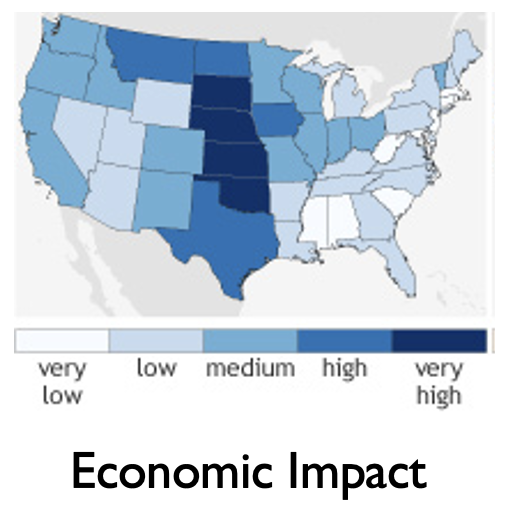
Economic Impact Drought Frequency Ability to Adapt Drought conditions across large portions of the heavily populated US, coupled with flooding from severe rains, create increased pressure on usable water supply. The availability of fresh, pure water—or lack of it—affects healthcare, hospitality, government, agriculture, internet and technology, and all manufacturing industries. In fact, every area of…

I. Challenges A northwestern particle board manufacturer committed countless hours to complete reverse osmosis (RO) cleanings, occurring at least once every month without seeing any improvement. This client was at risk of shutting down the boilers and the entire plant if they did not immediately rectify the situation. Additionally, they were having trouble with their…
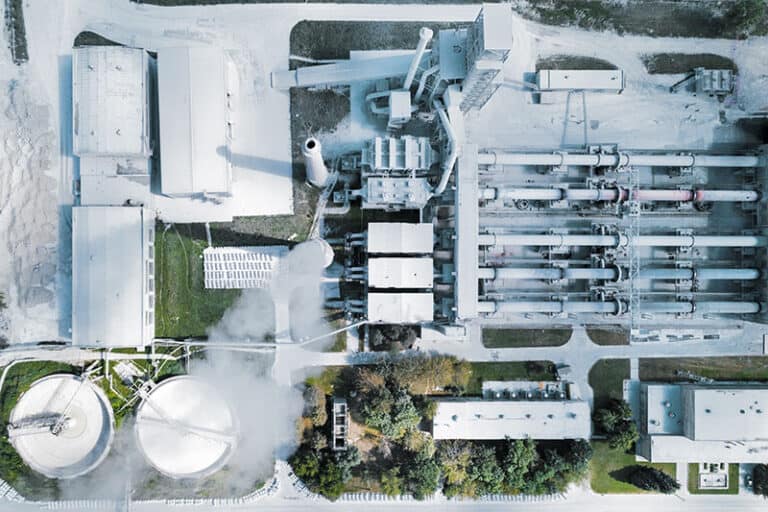
I. Challenges A large gypsum manufacturing plant had two reverse osmosis (RO) trains (A and B) but they were inefficient: Recently, neither RO train have been serviced with a complete Clean-In-Place (CIP) and the plant had a CIP skid available but they still needed additional support to use the equipment. Their current water treatment vendor…
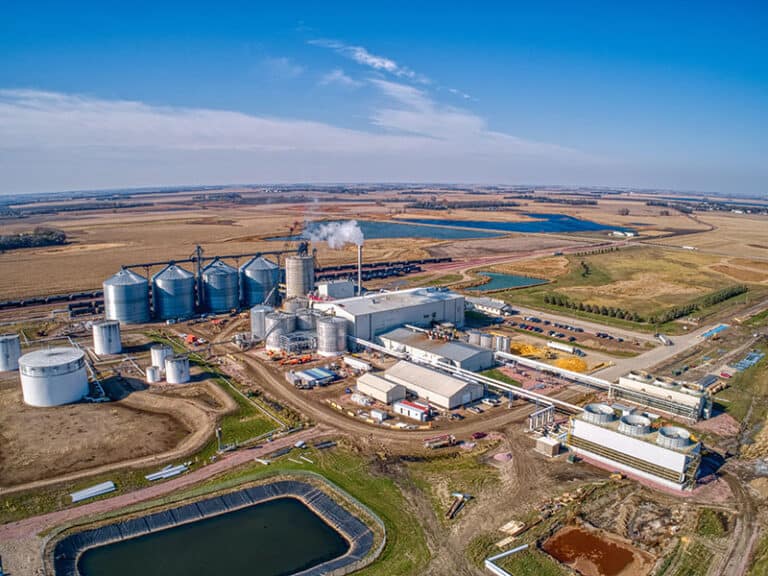
I. Challenges A Midwest ethanol manufacturing plant replaced the membranes of their large reverse osmosis (RO) system but the differential pressures increased rapidly and exceeded the recommended operating ranges. If failure occurs, they will lose $200,000 in revenues per non-operational day. To cope with the problem, the ethanol plant carried out a Clean-In-Place (CIP) procedure…

I. Challenges A lumber company in East Texas experienced high corrosion in their steam kilns resulting in expensive replace/rebuild costs. They were going through the following issues: II. Approach Garratt-Callahan’s team analyzed the site’s source water and kiln chemistry. They found that the company’s boiler water carry-over and high levels of chloride problem were due…

I. Challenges Commercial facilities such as hotels, restaurants, bakeries, butcher shops, hospitals, and prisons often suffer from the following problems: Like many hospitality-related properties, this high-rise casino resort had many of the same challenges. They were experiencing problematic drain lines and grease traps. As a result, they were: II. Approach Garratt-Callahan’s team introduced Formula BZ…
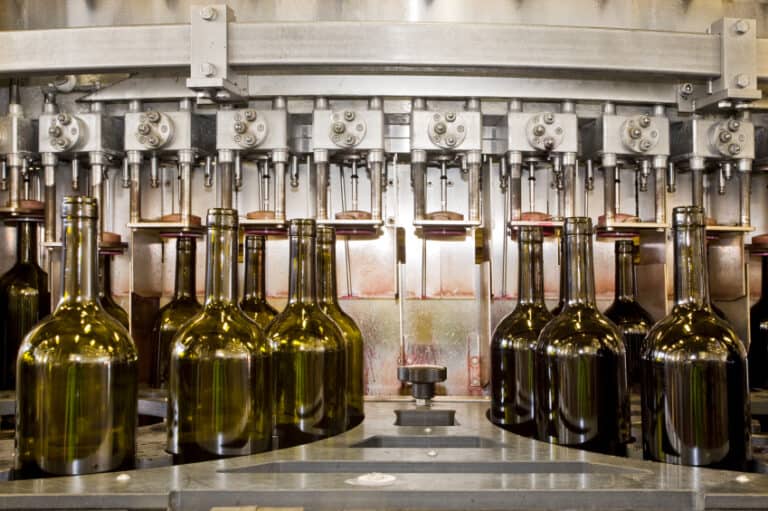
I. Challenges A high-volume beverage plant in Puerto Rico was processing well water at 85% recovery. The plant was performing monthly chemical cleanings and needed to replace the system’s 78 membrane elements every year. As a result: II. Approach Garratt-Callahan’s water treatment professionals began to troubleshoot the system. They uncovered a faulty check-valve that allowed…

I. Challenges A large municipal water reclamation plant on the Central California Coast that runs 3 RO trains had to switch to a low-cost, low-actives supplier due to a city-mandated bid process. After six weeks of working with the new supplier, the water plant experienced the following: If the situation continued, it would have resulted…