
Meet Micheal Dodson

Micheal Dodson
LinkedIn logo with "View my LinkedIn Profile" underneath

National Director, Water Safety Group

Mike Dodson leads Garratt-Callahan’s Water Safety Group, guiding nationwide initiatives that strengthen water safety, regulatory compliance, and proactive risk management across diverse industries. With more than 25 years of experience in healthcare facilities management, design, and construction, he brings deep operational insight and technical expertise to help clients protect public health, minimize risk, and ensure long-term reliability in their water systems.

Mike holds two advanced credentials: Certified Healthcare Facility Manager (CHFM) and ASSE 12080 Certification in Legionella Water Safety & Management. He develops ASHRAE-188 compliant Water Management Programs, provides expert guidance on regulatory requirements and risk mitigation, and implements multi-barrier strategies that defend potable water systems against Legionella and other waterborne pathogens.

Before joining Garratt-Callahan, Mike held senior leadership roles at major healthcare institutions in Texas and Washington, overseeing acute care facilities and complex medical and biotech projects. His extensive field experience, proven leadership, and commitment to continuous improvement make him a trusted partner in advancing water safety and operational excellence.

  • Prevalence and Prevention of Legionnaires Disease

    Legionnaires disease is a respiratory infection “resulting from aspiration of clumps of Legionella biofilms detached from air and water [HVAC] systems.” Its name stems from a three-day convention of the American Legion held at the Bellevue Stratford Hotel in Philadelphia in July 1976. More than 2,000 attended the annual event. Within a few days after it ended, attendees and others who were at the hotel began showing up in hospital emergency rooms with mysterious respiratory symptoms – just over 200 in all. Despite doctors’ efforts, more than 34 people lost their lives to the illness.
  • Emergency Water Supply Planning

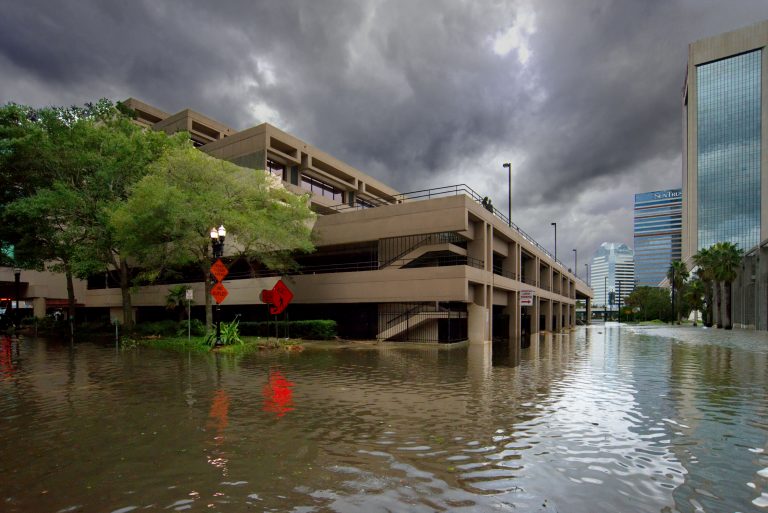
    According to the American Hospital Association, about 36.3 million people are admitted to U.S. hospitals each year. We don’t typically think a lot about the availability of a resource as basic as water in medical institutions. But when there is a natural disaster or an unexpected man-made event, the dedicated staff of these institutions have it top of mind. Most hospitals keep back-up generators to handle the power outages usually caused by hurricanes. They don’t necessarily maintain an alternative water supply in case a water main suddenly breaks, or the power outage from a hurricane lasts longer than their generator capacity.

  • Biofilms, Bacterial Microbes & COVID-19

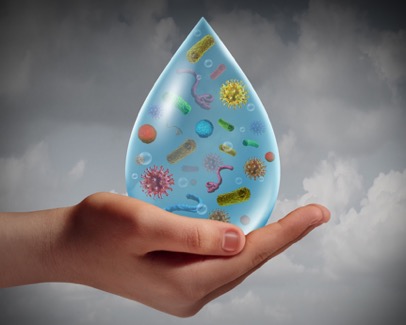
    Fresh tap water teems with harmless life, but when water sits inside pipes for an extended period, even for just a few days, more sinister bacterial growth can occur. In fact, when a family leaves home for a week’s vacation, harmful bacteria can grow easily and multiply in static plumbing and water faucets, gathering inside Biofilms — toxic bacterial masses where microbes colonize together in a self-protective layer of communal slime.